The Manufactured Noise

I used to start my mornings by catching up on the news before I even got out of bed. I thought it was just what responsible adults did. I wanted to be informed. I wanted to know what was happening in the markets, in politics, and in the world before I started my workday.
But over time, I noticed a shift. I wasn't just getting informed; I was getting agitated. I was carrying a low-level hum of anxiety into the kitchen while I made my coffee. The headlines felt increasingly urgent, the opinions felt louder, and the sheer volume of information felt impossible to process.
It took me a while to realize that this wasn't an accident. The modern media and public relations ecosystems are not designed to calmly hand you the facts. They are designed to capture and hold your attention in a world where attention is the most valuable currency.
When you understand how the machinery works, it becomes much easier to step away from it. You can build a stable, quiet life without absorbing the chaos around you.
The "Always-On" Anxiety
There is an industry tactic called newsjacking — when a company injects its own executives or messaging into a breaking news cycle to grab a piece of the spotlight.
They call it an "always-on" approach. The goal is to make sure their brand is constantly in front of you, leveraging whatever crisis, trend, or political shift is dominating the day.
There is a famous Warren Buffett quote: "It takes 20 years to build a reputation and 5 minutes to ruin it." PR teams are terrified of that five-minute window. So they flood the zone — rapid-response strategies, social media posts, and endless commentary just to stay relevant.
Every time you open your phone, you aren't just reading the news. You are reading a highly coordinated strategy designed to hijack your attention and guide your emotional state.

Putting Humanity Into the Machine
The media landscape is fundamentally changing how it tries to connect with us. Raw facts are no longer enough to hold attention. It's no longer just about the news — it's about the packaging.
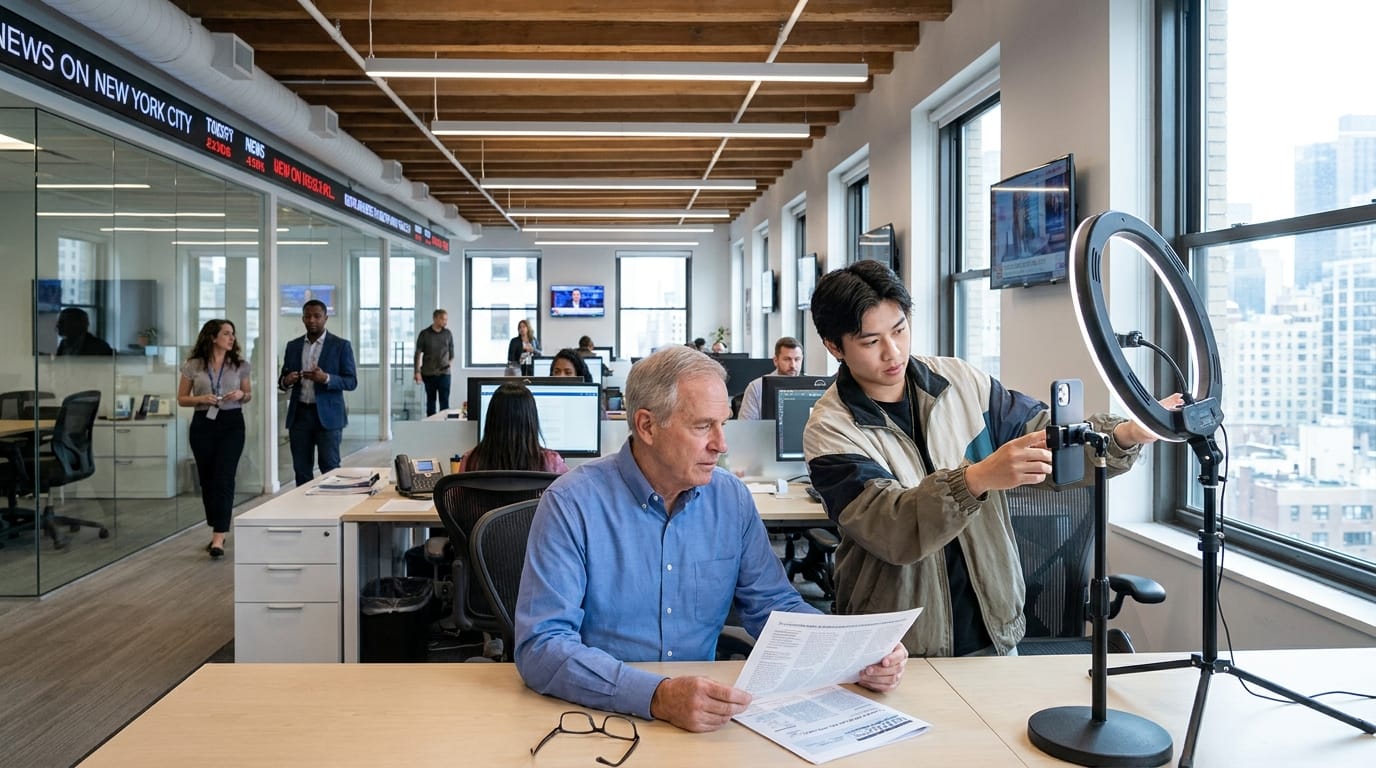
Newsrooms are partnering with Instagram and TikTok creators to repackage journalism into bite-sized, personality-driven content. Even TIME Magazine has integrated an AI agent trained on hundreds of its historical articles to debate and interact with readers in real-time.
It is all built to keep you engaged. But in the modern internet economy, engagement usually just means keeping your nervous system slightly elevated. You don't owe the machine your peace of mind.
The Processed Information Diet
Think of it like the food in your kitchen. If you only eat highly processed, artificially flavored snacks, you are going to feel terrible. The same goes for your mind.
We have to start treating our attention with the same discipline we treat our finances or our physical health. You have to filter out the junk.
Focusing on What Lasts
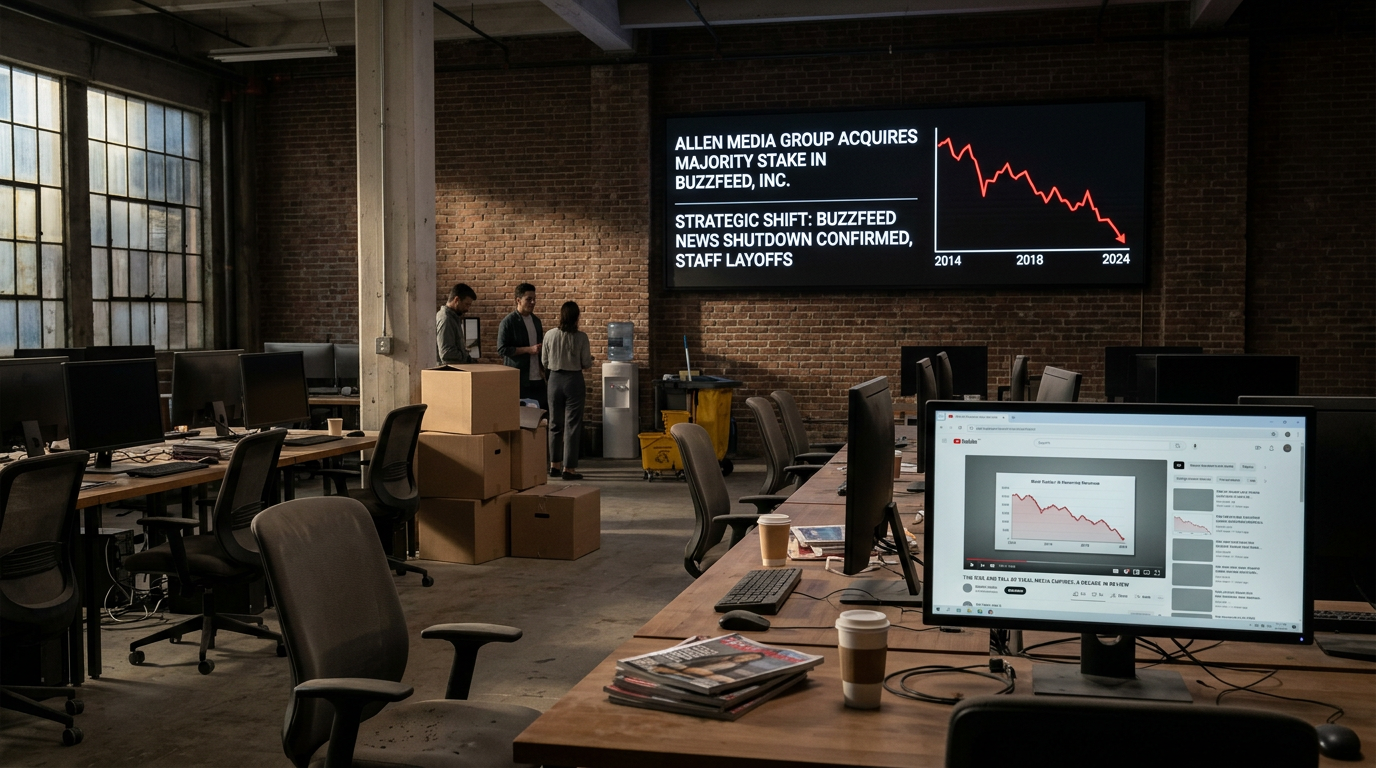
Just this week, media mogul Byron Allen acquired control of BuzzFeed. A decade ago, BuzzFeed was the undisputed king of viral media. They mastered the art of the click. Now, the company is being sold off.
Trends fade. Viral moments are forgotten. The algorithms change, the audience gets tired, and the noise moves on.
What remains is stability. The quiet, unglamorous work of showing up, providing for your family, managing your resources, and protecting your peace.
The most successful men I know aren't the ones making the most noise — they are the ones who have built a life so stable, the noise no longer reaches them.
Daniel Mercer is the founder of The Provider — a newsletter about money, routines, and the systems that make life feel more grounded.
Member discussion