The SpaceX IPO and the money most people won't see

Last week, Justin Sacco requested 75 shares of SpaceX at IPO price.
He got 11.
On Reddit, people posted screenshots of single-share allocations despite requesting hundreds. Someone called it “a souvenir from the most anticipated IPO in recent memory.” SoFi called SpaceX the largest and most subscribed offering in its history. Charles Schwab described client interest as “unprecedented.”
And yet — most retail investors walked away with a fraction of what they asked for, at a company priced at 94 times revenue with a $1.77 trillion valuation and an operating loss of $4.2 billion last year.

There's a story from the California Gold Rush that I keep thinking about.
Between 1848 and 1855, an estimated 300,000 people flooded into California chasing gold. Most of them came home with nothing. The people who got rich weren't the miners. They were the ones selling picks, shovels, and denim pants to the miners. Levi Strauss built a company that's still around today. Most of the gold rush prospectors are footnotes.
The pattern repeats itself constantly. During the dot-com boom, it wasn't the internet companies that made the most reliable money — it was Cisco, the company building the routers and cables that the internet ran on. Goldman Sachs, as lead underwriter on the SpaceX deal, stands to collect over $2 billion in fees alone — without owning a single share of the rocket company.
The headline ticker is rarely where the real story is.
Across all IPOs, 90% of shares go to institutional investors. SpaceX was unusually generous — they reserved 30% for retail, three times the normal allocation. And still, most individual investors got crumbs.
The institutions who backed SpaceX at an $800 billion valuation didn't need IPO day. By the time the stock opened at $150 a share on June 12th, they'd already made their money. IPO day is when they start finding people to sell to. That's not cynicism. That's just how it works.
None of this means SpaceX is a bad investment. It might be a great one over twenty years. But the men I know who build real wealth don't chase the headline. They ask a different question.
Not “how do I get in on SpaceX?”
But “what does SpaceX need to exist — and who's building it?”
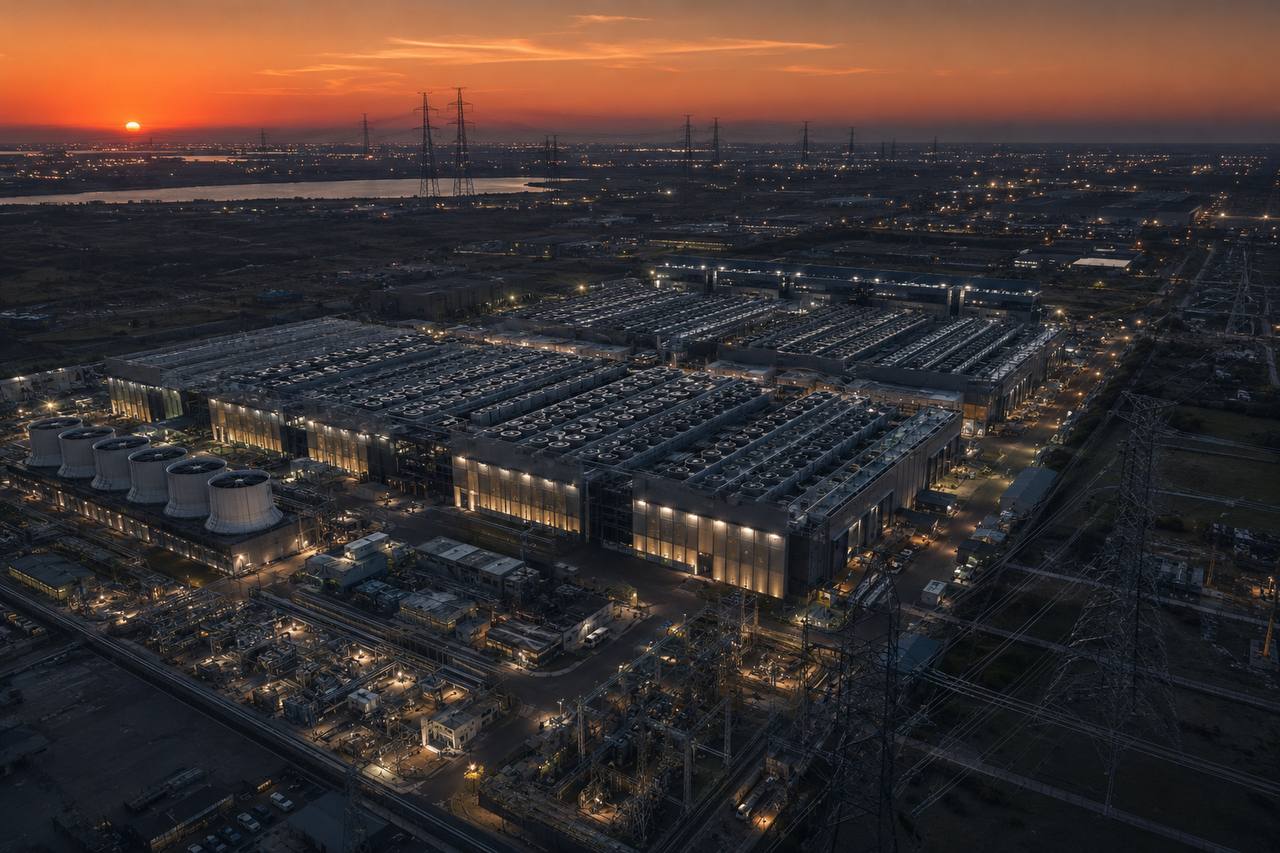
The rockets need power. The data centers need cooling. The satellites need ground infrastructure. The empire needs components that don't make the front page. That's usually where the quieter money is.
— Daniel Mercer
Founder, The Provider
Member discussion